o que é um calo Calos: 10 remédios naturais para acabar com eles
Callosities, commonly known as calluses, are thickened areas of skin that are caused by repeated rubbing or pressure. These thickened areas can develop on any part of the body but are most commonly found on the hands and feet. Calluses on the feet, in particular, can be caused by wearing ill-fitting shoes that constantly rub against the skin. They can also be caused by repetitive activities such as running or walking long distances. While they may not be harmful, calluses can be unsightly and uncomfortable. They can even cause pain and restrict movement in severe cases. Luckily, there are several ways to treat and prevent calluses. One of the best ways to prevent calluses is to wear properly fitting shoes. It’s also a good idea to wear socks made from moisture-wicking materials to keep your feet dry and reduce the risk of callus formation. If you’re an athlete, consider using padding or shoe inserts to protect your feet and lessen the impact of repetitive activities. If you have already developed calluses, there are several treatments you can try. For mild cases, soaking your feet regularly in warm, soapy water can help soften and reduce the thickness of the callus. You can also use a pumice stone or foot file to gently file away the dead skin. For more severe cases, your doctor may recommend using salicylic acid or another prescribed medication to soften the callus and promote its removal. In some cases, surgical removal may be necessary, particularly if the callus is causing significant pain or impacting your mobility. While calluses may not be a serious medical issue, they can impact your quality of life if left untreated. By taking preventative measures and seeking treatment when necessary, you can keep your feet healthy and comfortable. Remember to always wear properly fitting shoes, practice good foot hygiene, and seek medical attention if you develop severe or painful calluses. In summary, calluses are a common and treatable condition that can cause discomfort and impact your mobility. By taking preventative measures and seeking treatment when necessary, you can keep your feet healthy and comfortable. So take care of your feet and give them the attention they deserve!
If you are looking for O que é um calo? you’ve came to the right place. We have 5 Pics about O que é um calo? like O que é um calo?, Calos: 10 REMÉDIOS NATURAIS Para Acabar com Eles - GreenMe.com.br and also Como eliminar calos em casa | Calos, Como tirar calos, Passo a passo. Here you go:
O Que é Um Calo?
 www.foamtech.com.brEsporão De Calcâneo Provoca Dor? | Pacientes Do Dr. Márcio Silveira
 drmarciosilveira.comCostelas Esquerdas (6ª A 11ª) Com Evidências De Calo ósseo. A 9ª E A
 www.researchgate.netCalos: 10 REMÉDIOS NATURAIS Para Acabar Com Eles - GreenMe.com.br
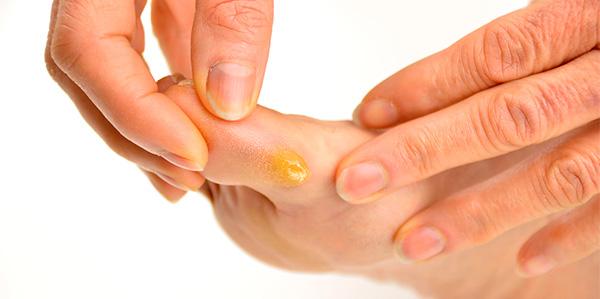 www.greenme.com.brComo Eliminar Calos Em Casa | Calos, Como Tirar Calos, Passo A Passo
 www.pinterest.comcalos eliminar tirar passo pé pés tuasaude
Calos eliminar tirar passo pé pés tuasaude. Costelas esquerdas (6ª a 11ª) com evidências de calo ósseo. a 9ª e a. Esporão de calcâneo provoca dor?